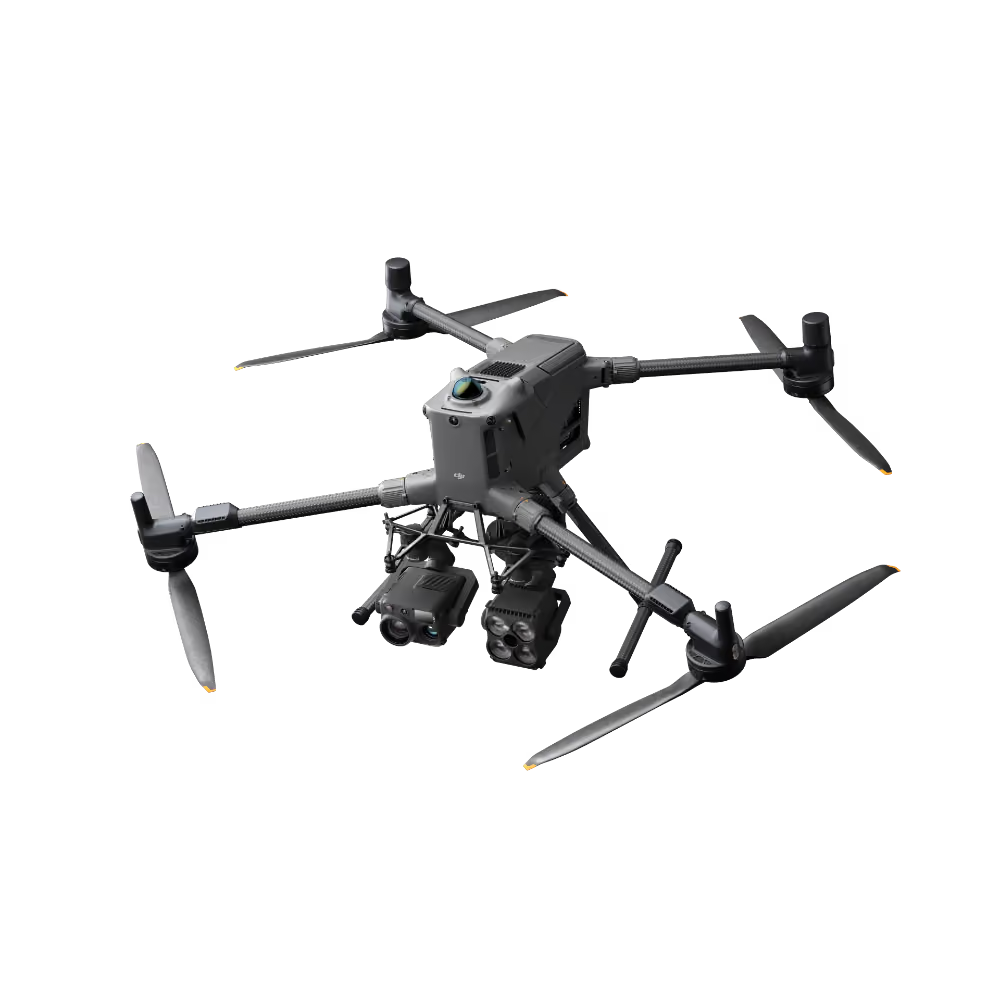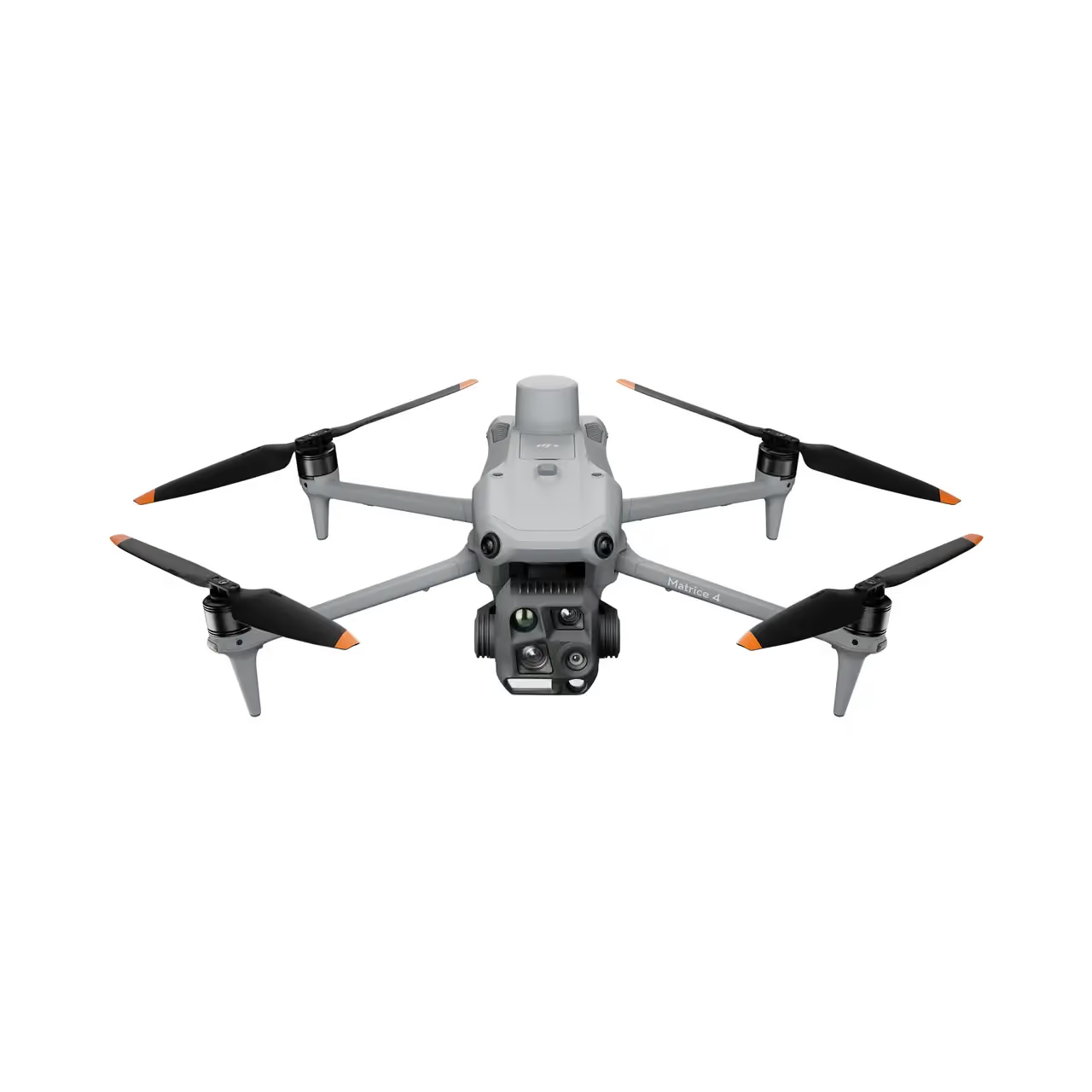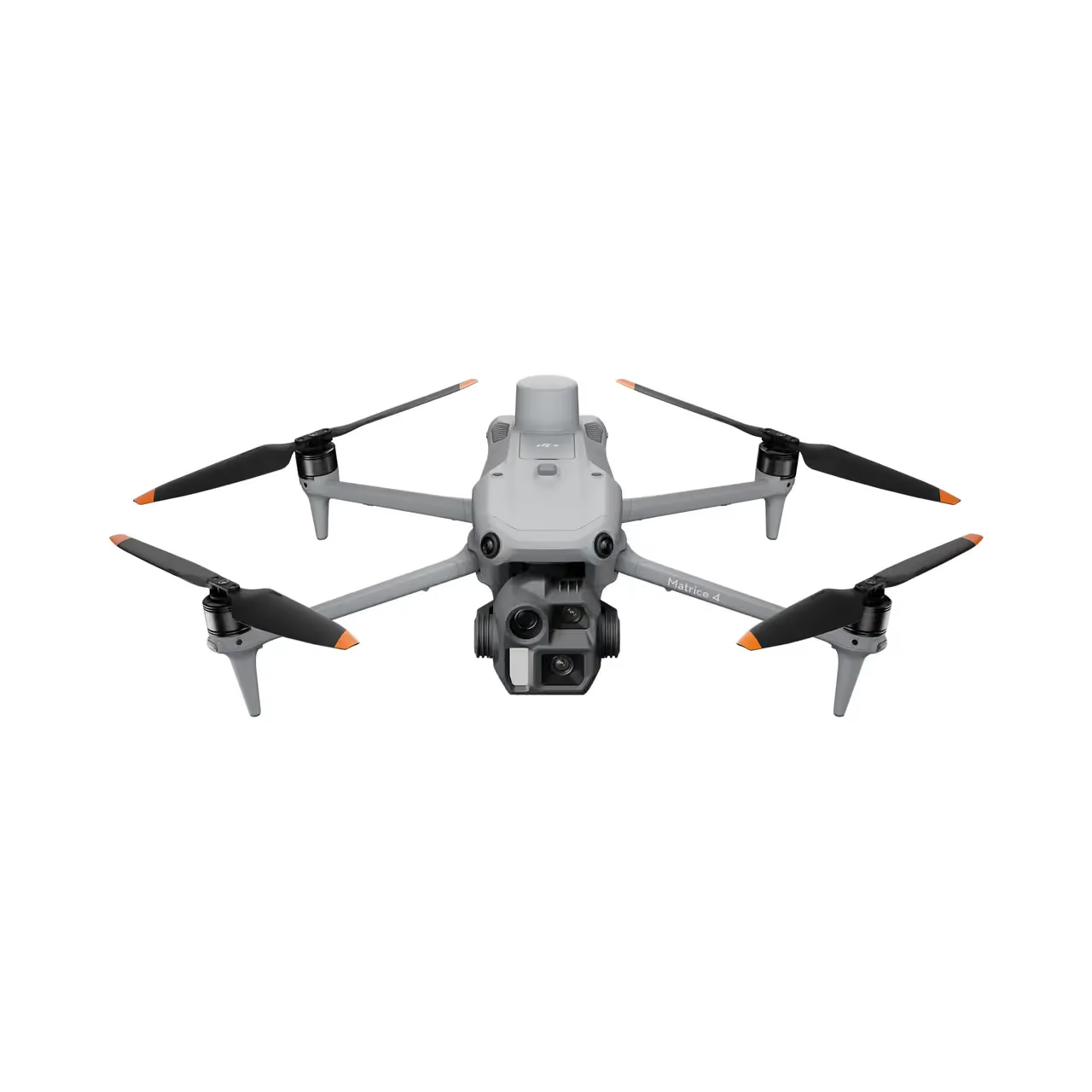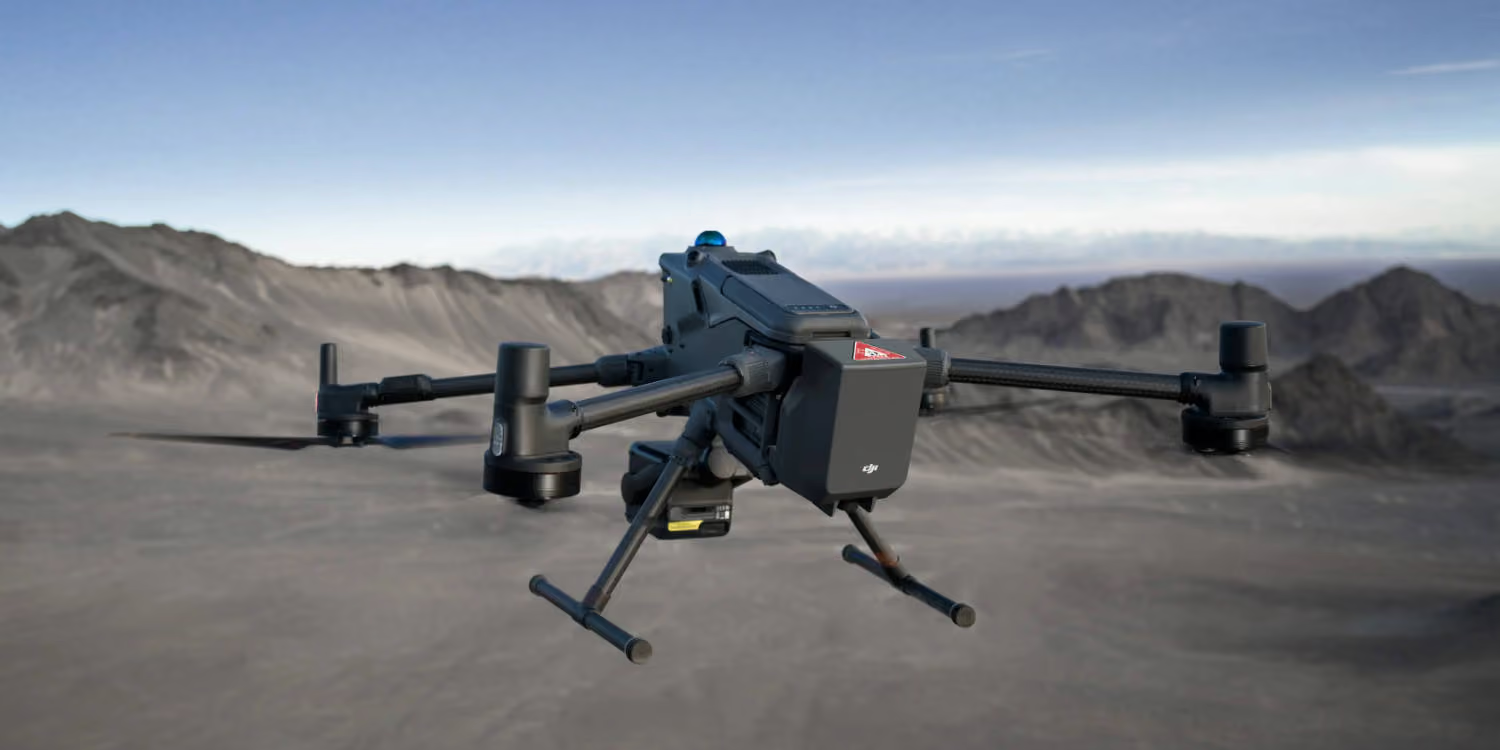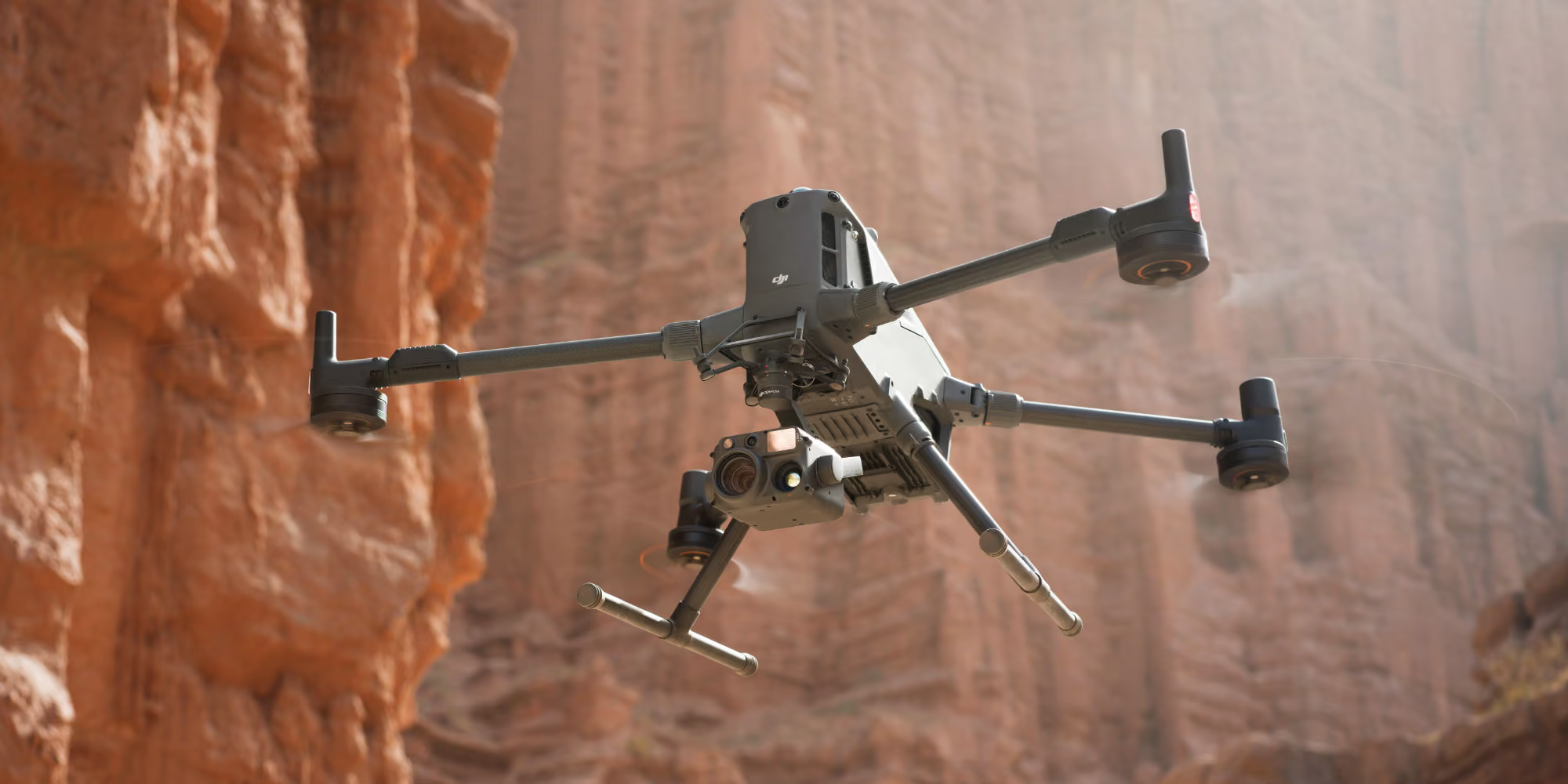

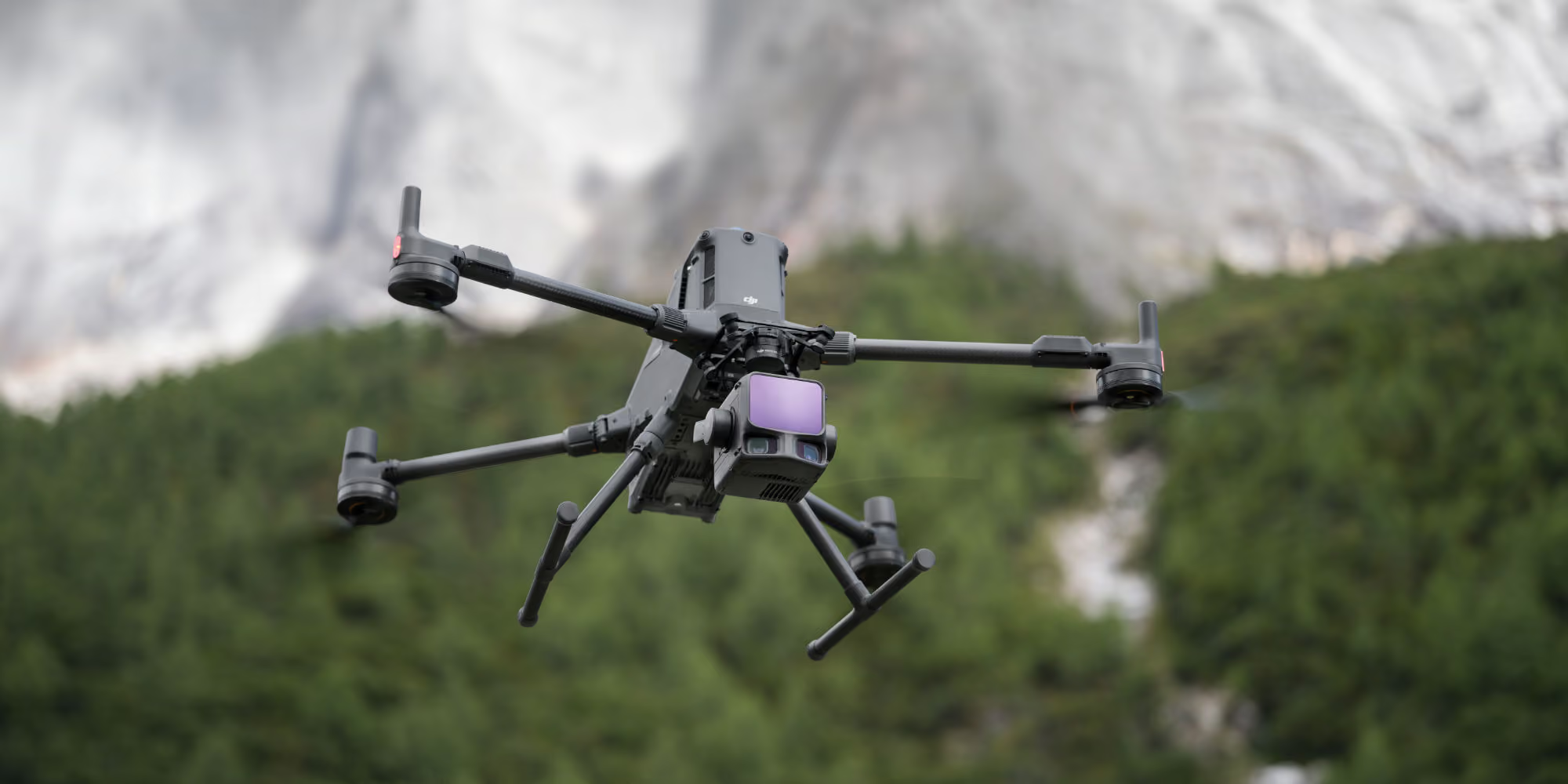
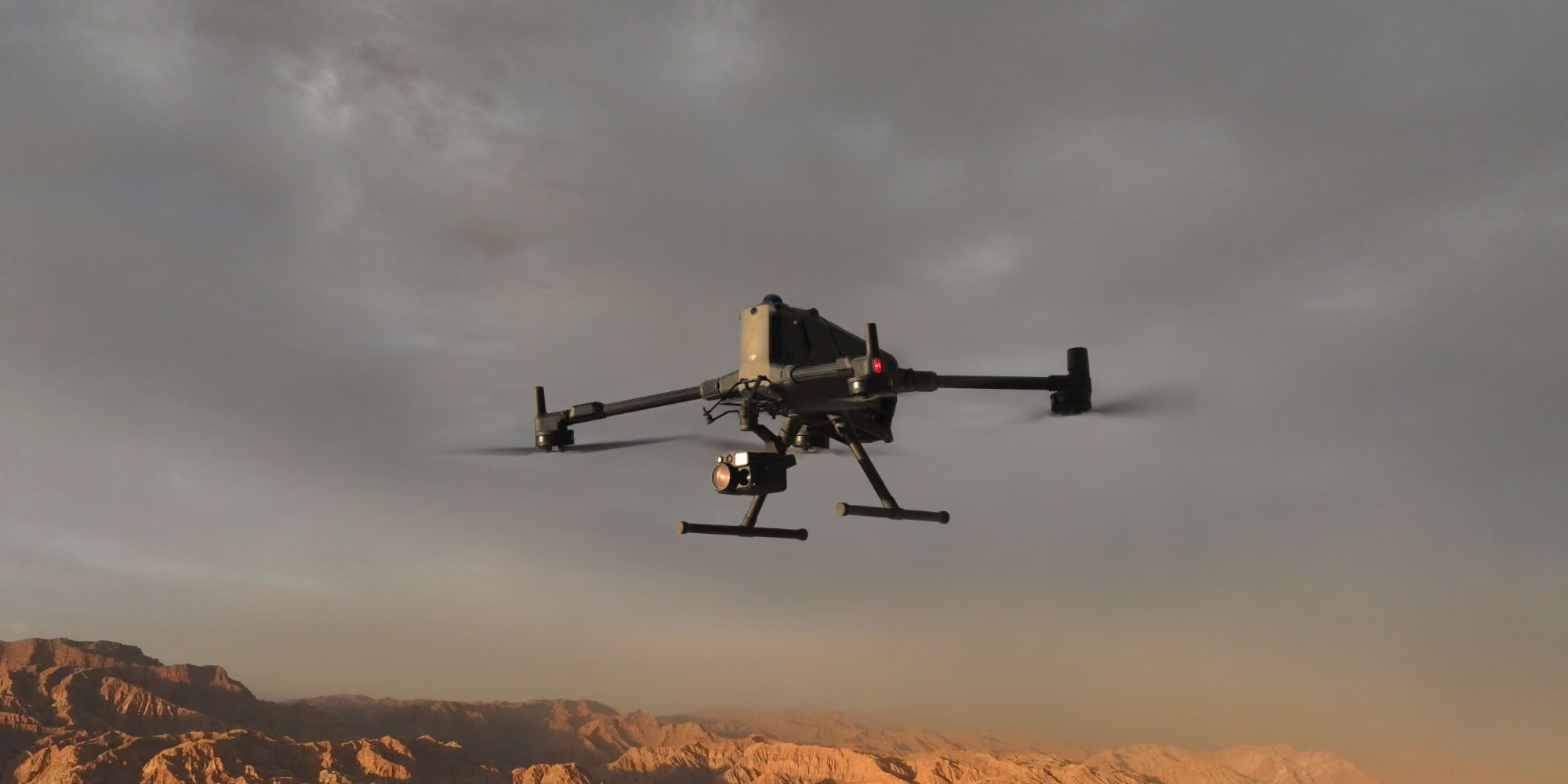
The DJI Matrice 400 is DJI's flagship enterprise drone and the replacement for the Matrice 350 RTK. It carries up to 6 kg of payload and flies for up to 59 minutes, so one aircraft can map a pit with the Zenmuse L3 in the morning and inspect a substation with the H30T in the afternoon.
Most drones are built around one camera. The Matrice 400 is built around the payload you choose, so your team buys one platform and fits it to the work.

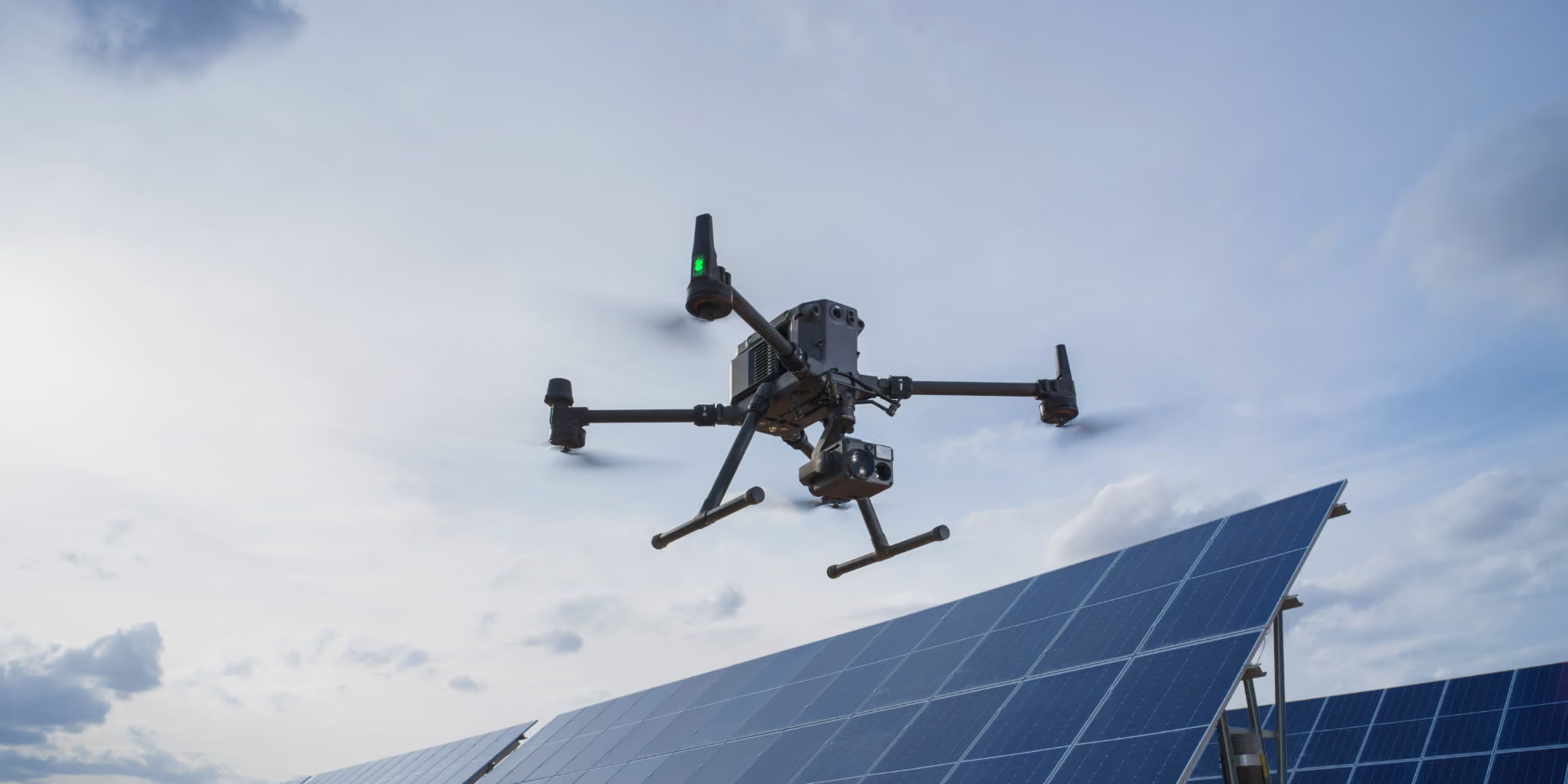
LiDAR, mapping, thermal and zoom payloads all fit the same aircraft, and the dual gimbal carries two at once.

Up to 59 minutes in the air and hot-swappable batteries mean fewer landings on big sites.

Rotating LiDAR and mmWave radar pick up thin wires and obstacles that cameras miss, day or night.

Rated IP55 and operating from −20 °C to 50 °C, so dust and summer heat don't ground it.
One platform for the work that big, remote sites throw at you.

Map pits, stockpiles and haul roads with the Zenmuse L3, then fit the H30T to check conveyors and fixed plant for hot spots. With the L3 flying at 300 m, a single flight can cover up to 10 km².
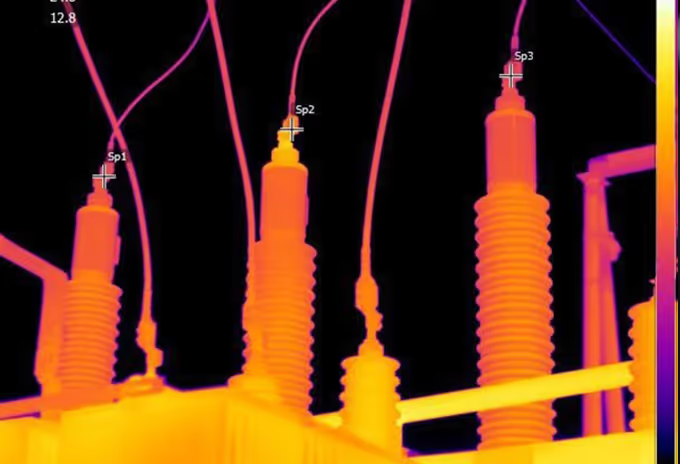
Fly power line and corridor inspections with obstacle sensing that sees the wires it's flying near. Rotating LiDAR and mmWave radar detect conductors as thin as 12 mm, and the H30 zoom gets close detail from a safe distance.

Carry thermal, zoom and a spotlight or speaker on the same flight. One Matrice 400 can also act as an airborne relay for another, extending your link across valleys and broken terrain.

Dual gimbal plus a third mount for heavier kit.

Rated IP55, operating from −20 °C to 50 °C.
Measured with the Zenmuse H30T, with hot-swappable batteries between flights.

O4 Enterprise Enhanced (CE), with 4G backup through dual cellular dongles.
The payload decides what data you get. Start with the job you need done, and we'll match the payload to it.
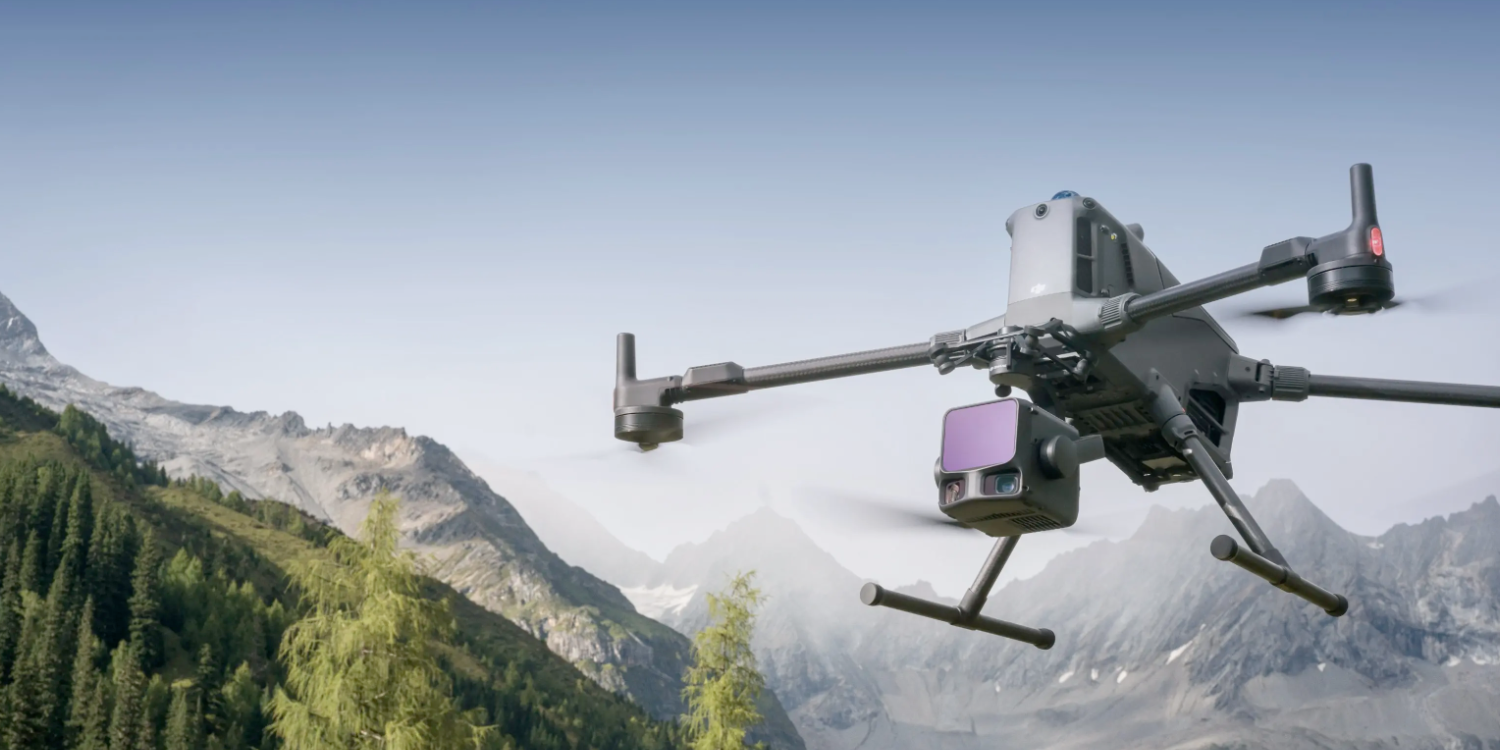
Long-range LiDAR and dual 100 MP mapping cameras in one payload. On the Matrice 400 it covers up to 10 km² per flight and up to 100 km² in a day.

A 45 MP full-frame mapping camera with a mechanical shutter, for accurate orthomosaics and 3D models of pits, stockpiles and sites.

Thermal, wide and zoom cameras with a laser rangefinder in one payload, so one flight gives you the hot spot, the close-up and its coordinates.

The H30T without thermal. Long-range zoom and full-colour night vision for visual inspection and security work.
Tell us the data you need and where you're flying, and we'll recommend the setup. Add the Zenmuse S1 spotlight, Zenmuse V1 speaker or AP100 parachute to suit the job.
Flight time depends on what you carry. Here's how the Matrice 400 compares with the Matrice 350 RTK across common payloads.

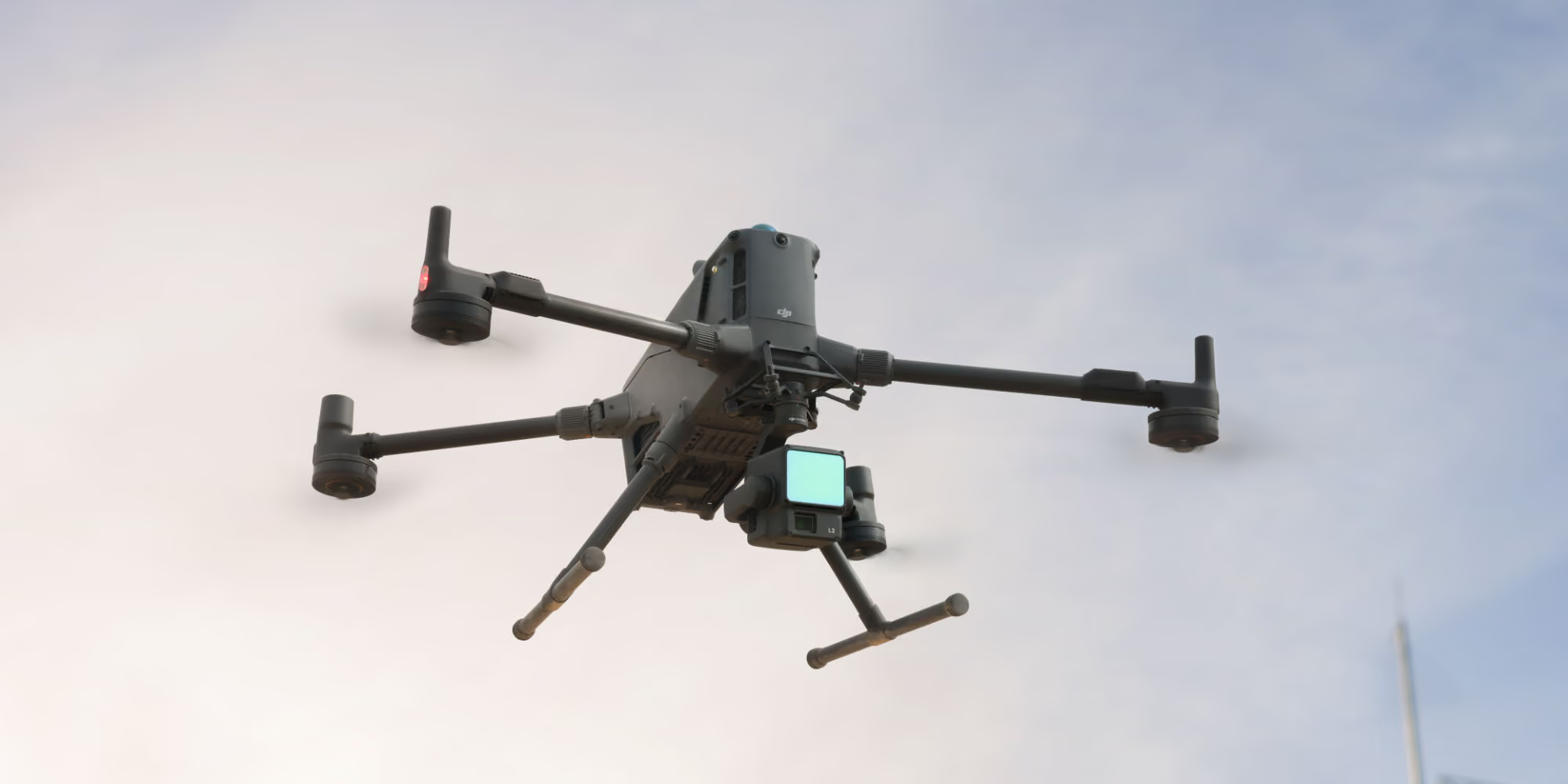
The Matrice 400 lifts up to 6 kg across a dual gimbal, a third heavy-lift mount and four E-Port V2 connectors, and flies for up to 59 minutes. That's enough to carry LiDAR and a spotlight, or two cameras, on the same flight.
Rotating LiDAR, six-direction mmWave radar and low-light vision sensors give it all-round awareness, so it can work close to structures and power lines in poor light. It's rated IP55, operates from −20 °C to 50 °C and has an ADS-B receiver to warn of crewed aircraft nearby.
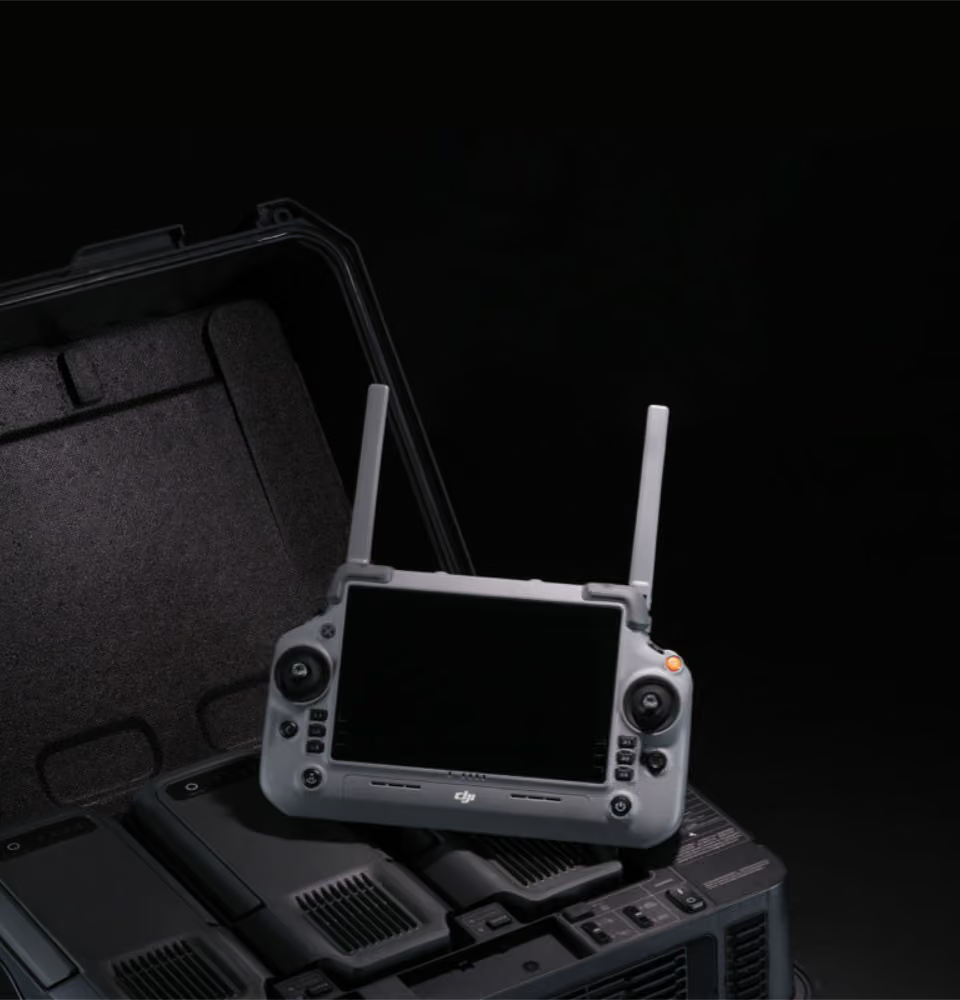
The TB100 battery is hot-swappable, so you change it without powering down, and the BS100 station fast-charges one in about 45 minutes. Your pilot flies from the DJI RC Plus 2 Enterprise Enhanced over a 20 km (CE) O4 link, with 4G backup through dual cellular dongles.
Add the Zenmuse S1 spotlight, Zenmuse V1 speaker or AP100 parachute to suit the job. The parachute helps build the safety case for flights over people and BVLOS operations.
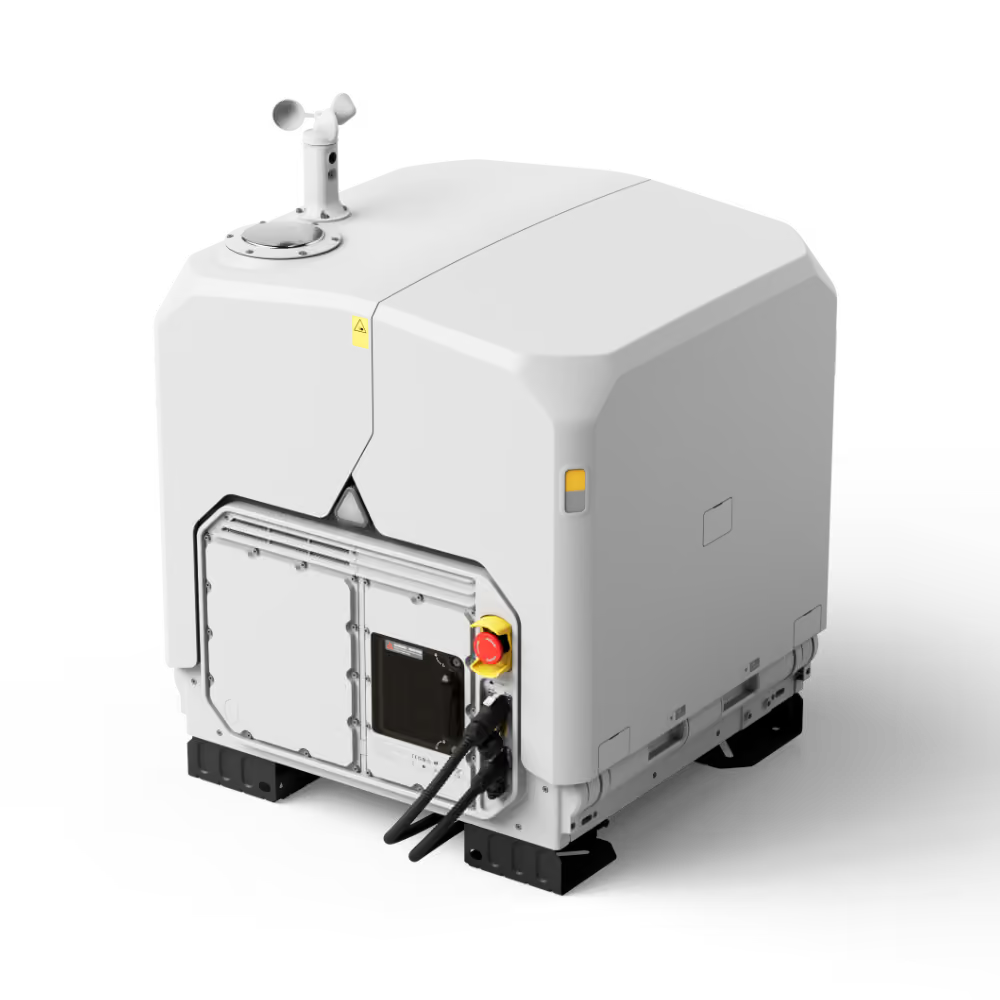
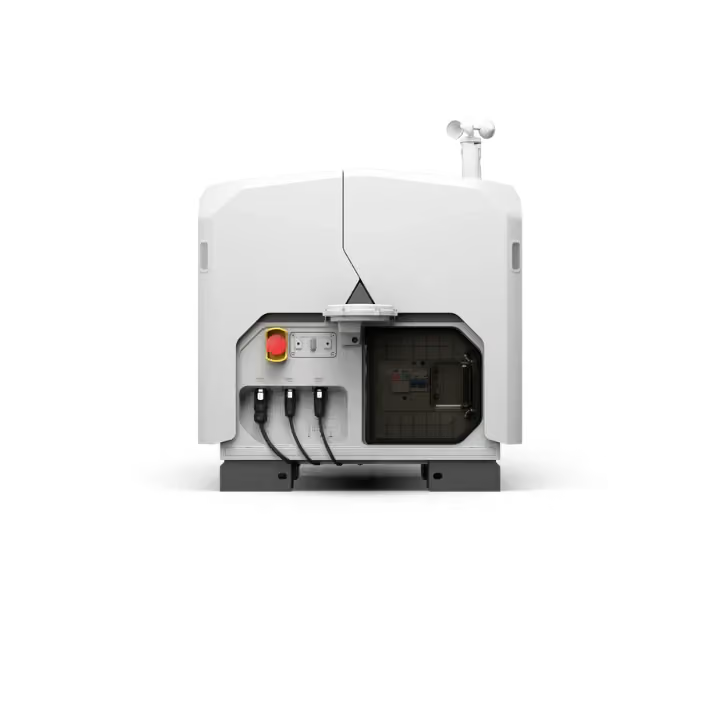
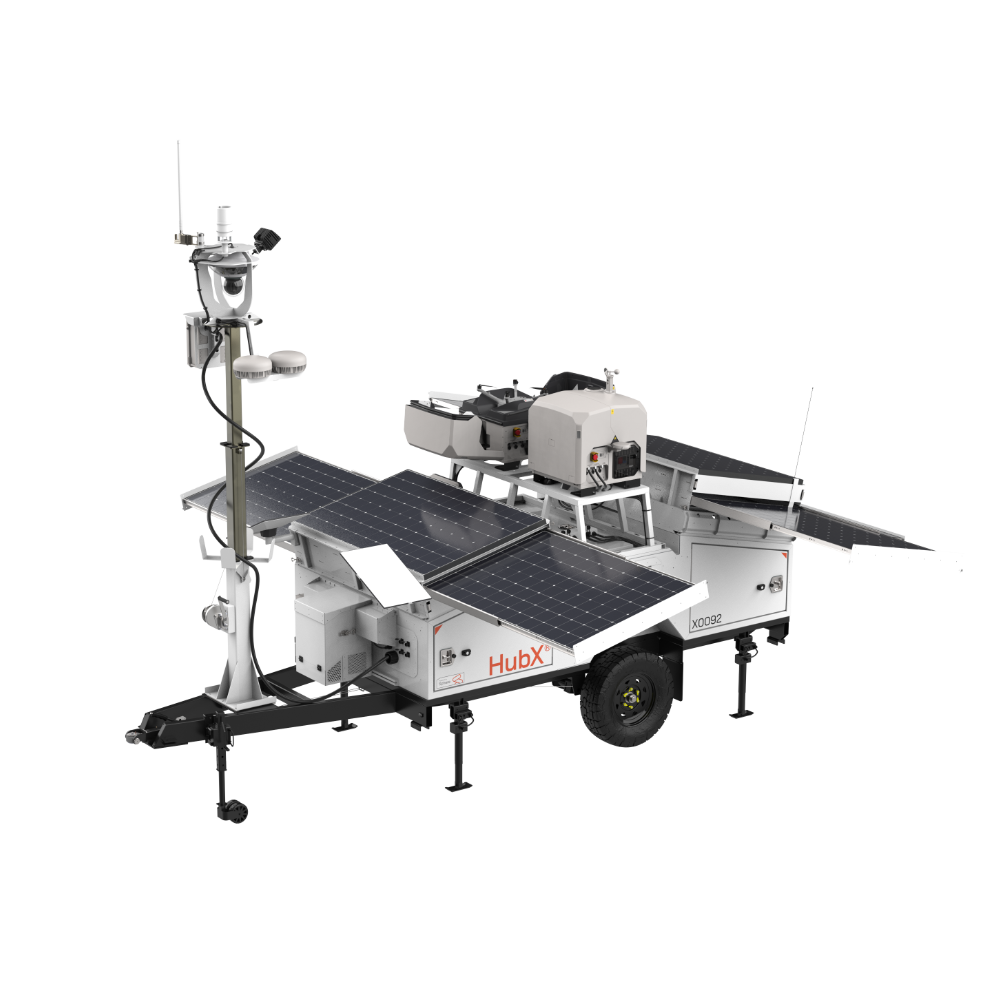
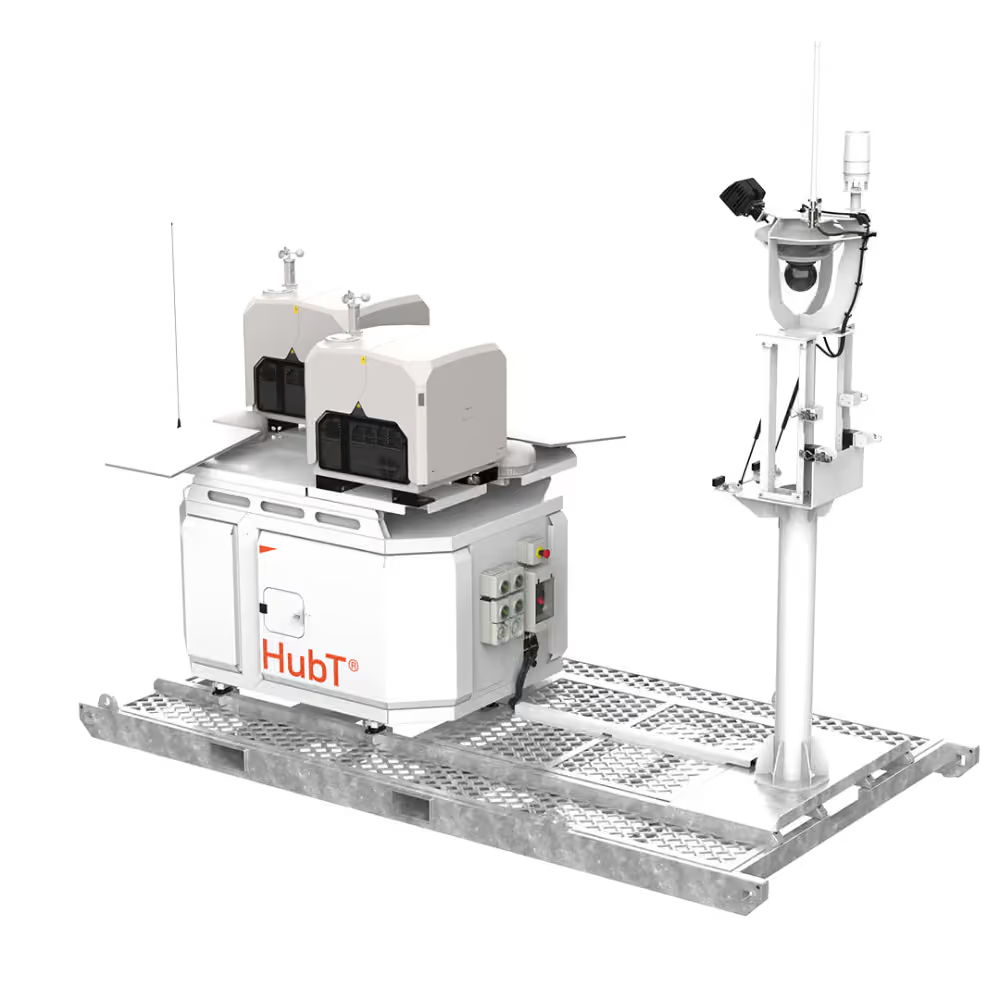
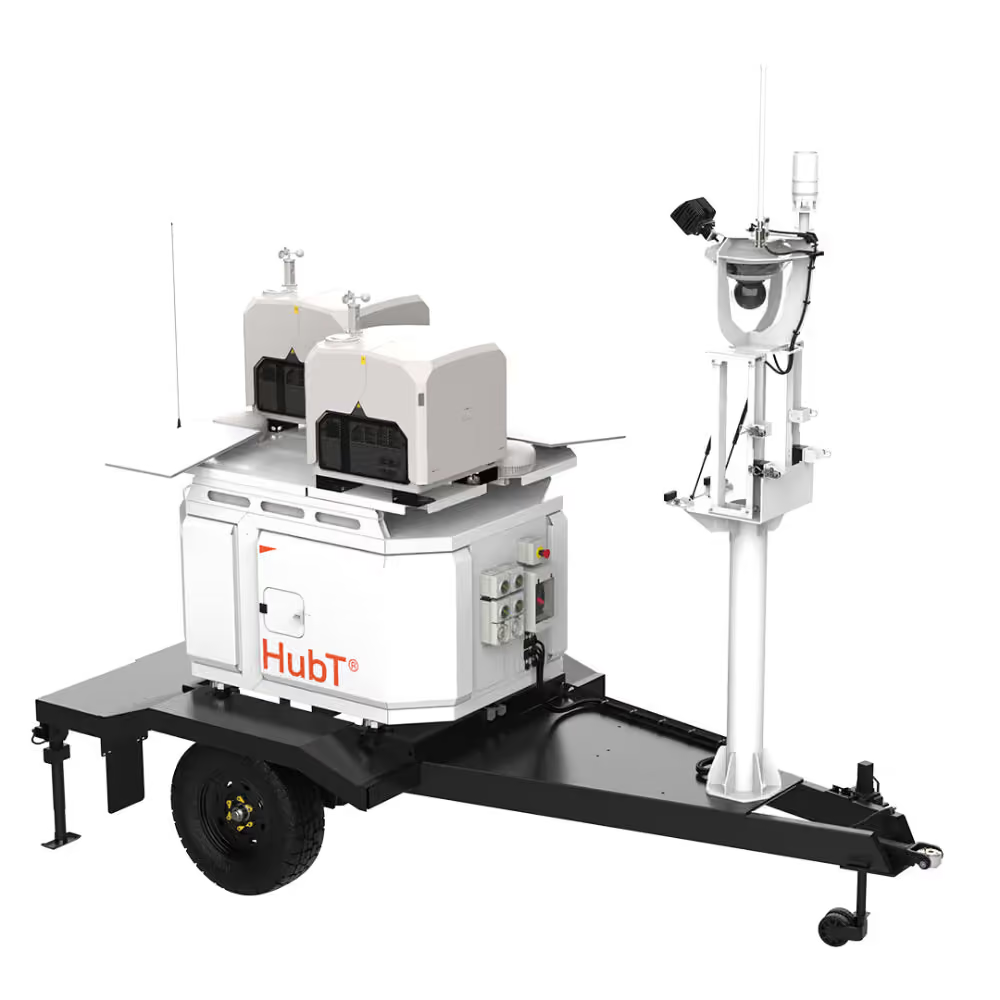
When the same survey or inspection runs every week, a dock can fly it for you. DJI Dock 3 handles repeat mapping and DJI Dock 4 handles inspection and response. Our Hubs add the power and connectivity to run them anywhere, as the off-grid HubX® trailer or the permanently installed HubT®, and can be fully managed from our Sydney-based Remote Operations Centre.
The Matrice 400 is flown by a pilot, so the paperwork matters. CuroRPA plans and approves each flight, checks your pilot is credentialled for it, and links the flight log to the pilot, the aircraft and the battery automatically. With TB100 batteries rated for 400 cycles, that battery history is worth having.
When you're ready to automate, the same Curo platform runs DJI Docks and our Hubs, so your team doesn't have to change tools.

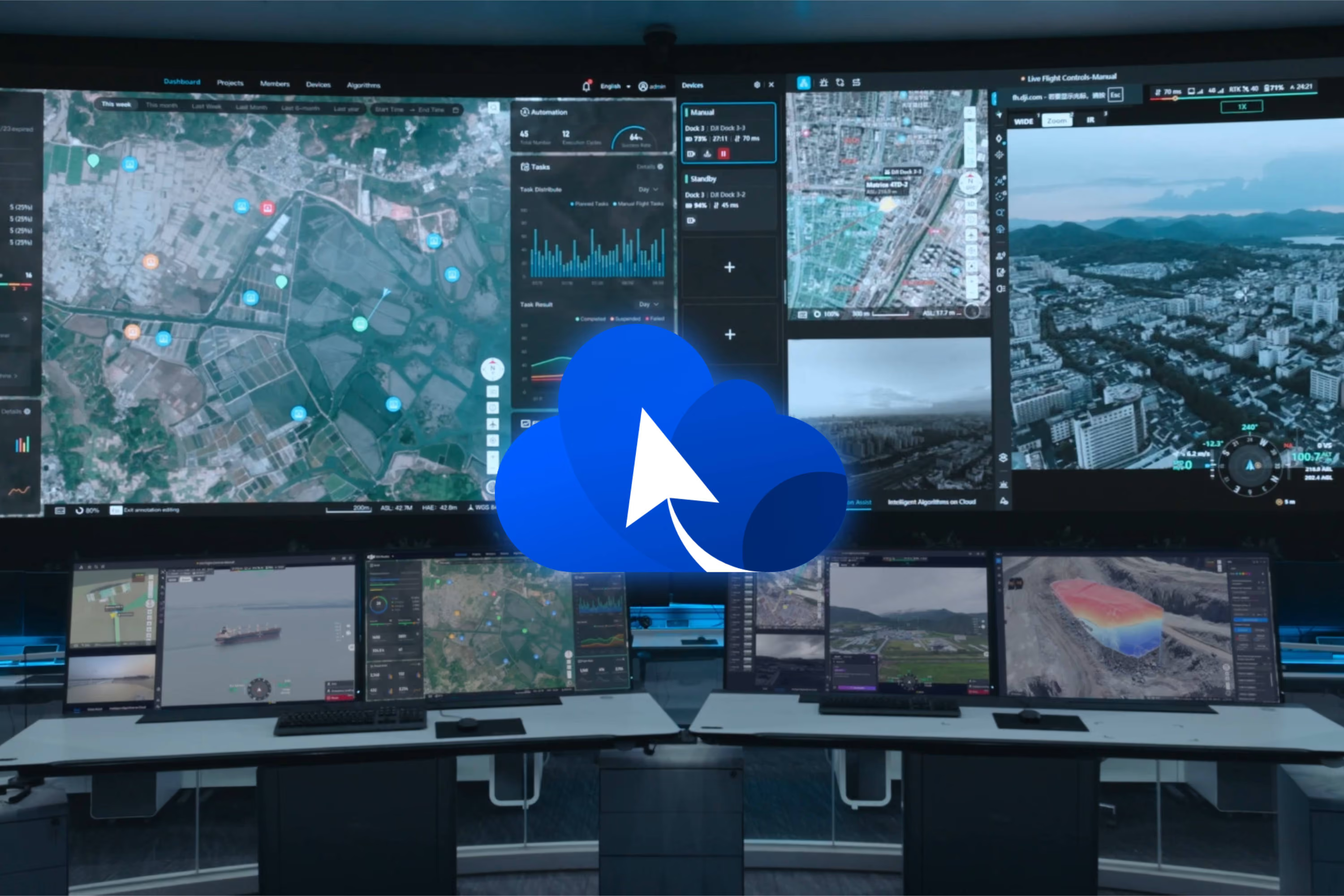
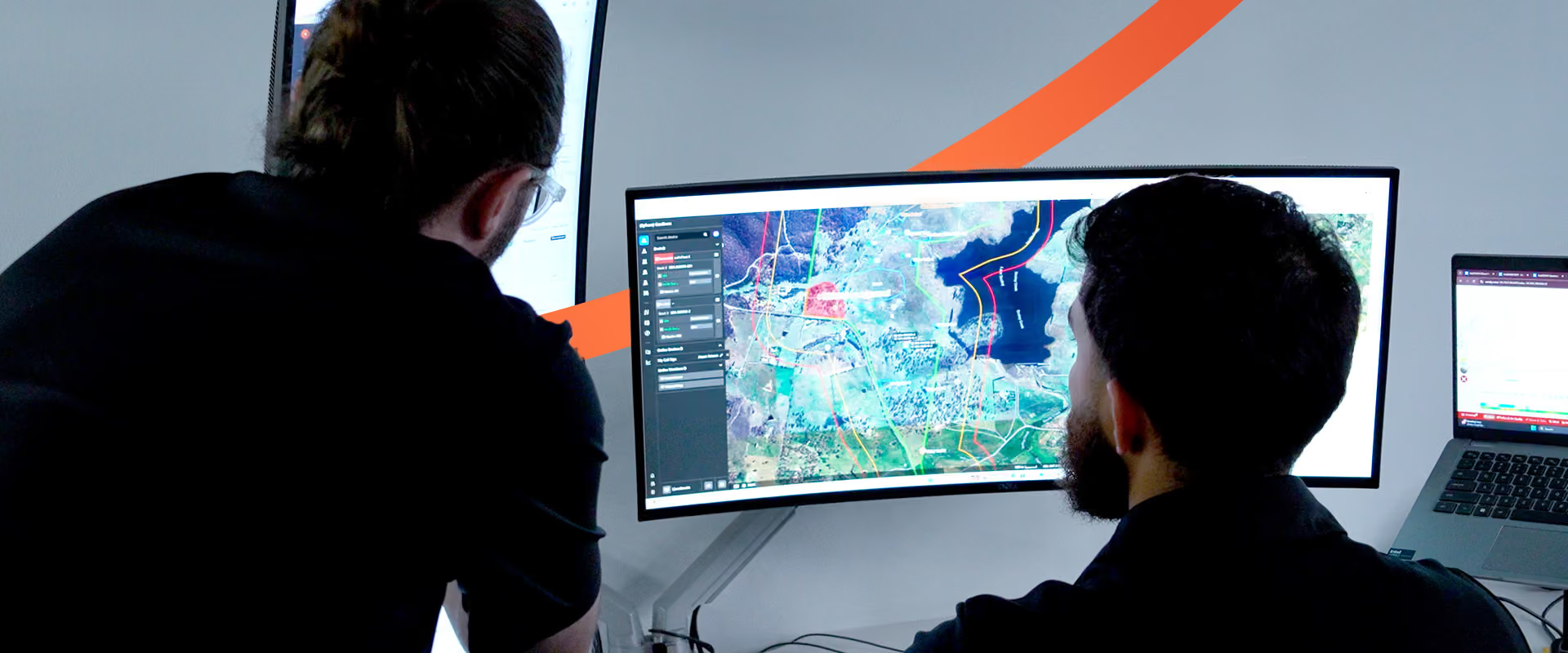
Plan mapping, slope and façade routes in DJI Pilot 2, stream live to the office through FlightHub 2, and process L3 and P1 data into point clouds and 3D models in DJI Terra.
Flying it well takes more than the hardware. Here's what's involved, and where we can help.
Pilots need a Remote Pilot Licence (RePL) that covers a 15.8 kg aircraft, and the business running the flights needs a ReOC.
How we help: RePL, ReOC, Chief Remote Pilot and BVLOS training, tailored to your team.

Night, BVLOS and flights near people need extra CASA approval. The AP100 parachute helps build the safety case.
How we help: we hold a ReOC and BVLOS broad area approval, so we can fly it for you.

Enough TB100 batteries for a full shift, a BS100 station to charge them, and a case for the trip to site.
How we help: we'll put together a kit that matches your payloads, shifts and sites.
Buy the aircraft and fly it yourself, or add our help to get your team up and running.
Final price depends on payload and kit.
The Matrice 400 replaces the Matrice 350 RTK. It carries more than twice the payload and sees power lines the 350 can't.
Running the same survey every week? See how DJI Dock 3 automates it
Take the detail away with you, or share it with the people signing off.

Payload options, real-world use cases and what to weigh up before you buy.
Get the buyer's guide
What's changed from the Matrice 350 RTK, from payload and flight time to obstacle sensing and transmission.
Read the comparison guide[Two sentences: the customer's problem, and what Sphere deployed to solve it.]
"[Customer quote, approved]"Read the full case study
[Name, role, company]

We hold a CASA ReOC and Broad Area BVLOS Approval, so we can run operations for you under our own approvals.

Our team runs remote operations every day from our Remote Operations Centre, our 24/7 Sydney-based operations centre.

Training and setup from our Australian team, with servicing and support for the life of your fleet.

We design and build our Hubs and Curo software in Australia, so you can grow from one drone to automated operations.
Tell us what you need to map, inspect or find, and where. We'll recommend the right aircraft and payload, whether you fly it yourself or have us operate it for you.
Prefer to talk? Call us on 1800 119 111.
(*Mandatory fields)